Feb 6, 2025
Decoding the Digital Battlefield
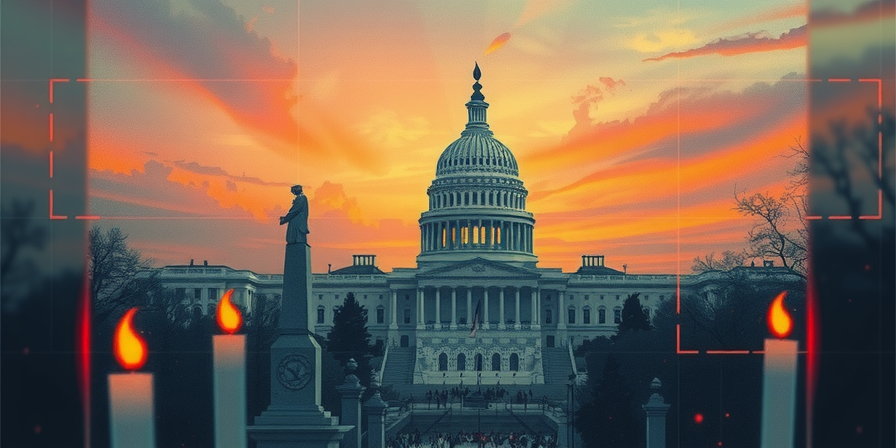
The Myth of Invincibility
Many people believe that government agencies are immune to cyber attacks due to their advanced security measures. However, this is far from the truth. Government agencies, like any other organization, are vulnerable to cyber threats. In fact, they are often targeted because of the sensitive information they hold.
"The only truly secure system is one that is powered off, cast in a block of concrete and sealed in a lead-lined room with armed guards - and even then I have my doubts." - Eugene H. Spafford
The Reality of Frequent Attacks
Government agencies face cyber attacks regularly. These attacks can come from various sources, including hacktivists, cybercriminals, and even other governments. For instance, in 2020, the U.S. Department of Health and Human Services experienced a distributed denial-of-service (DDoS) attack during the COVID-19 pandemic. This highlights the constant threat that government agencies face.
The Myth of Minimal Impact
Another common misconception is that cyber attacks on government agencies have minimal impact. People often think that even if an attack succeeds, the consequences are not severe. However, this is not the case. Cyber attacks can lead to significant disruptions, data breaches, and even national security threats.
The Reality of Severe Consequences
The consequences of cyber attacks on government agencies can be devastating. For example, a data breach can expose sensitive information, leading to identity theft and other cybercrimes. Moreover, attacks on critical infrastructure can disrupt essential services, causing chaos and putting lives at risk. The SolarWinds attack in 2020 is a stark reminder of the severe consequences of such breaches.
The Myth of Infallible Security Measures
Some people believe that government agencies have infallible security measures in place. They think that these agencies have the best technology and expertise to prevent cyber attacks. While it's true that government agencies invest heavily in cybersecurity, no system is perfect. Cybercriminals are constantly evolving their tactics, making it challenging to stay ahead.
The Reality of Continuous Improvement
Government agencies must continuously improve their security measures to keep up with the evolving threat landscape. This includes regular updates, employee training, and collaboration with other organizations. For instance, the U.S. government has established the Cybersecurity and Infrastructure Security Agency (CISA) to enhance cybersecurity efforts and protect critical infrastructure.
The Myth of Individual Irrelevance
Some individuals believe that cyber attacks on government agencies do not affect them. They think that these attacks are only relevant to the government and have no impact on their personal lives. However, this is not true. Cyber attacks can have far-reaching consequences, affecting everyone.
The Reality of Collective Impact
Cyber attacks on government agencies can have a collective impact. For example, a data breach can expose personal information, leading to identity theft. Moreover, attacks on critical infrastructure can disrupt essential services, affecting the daily lives of citizens. Therefore, it's crucial for everyone to understand the risks and take steps to protect their information.
Conclusion
Understanding the risks of cyber attacks on government agencies is essential for everyone. By debunking common myths and understanding the realities, we can better appreciate the importance of cybersecurity. It's not just the government's responsibility to protect against cyber threats; it's a collective effort that requires awareness and action from all of us.
To learn more about how to protect your information from hackers, explore our other posts on internet security and data protection. Stay informed, stay vigilant, and stay safe.